The original 1970 UK vinyl mix (Warner Bros. WS 1871) or the 2014 “Sanctuary” reissue. Avoid early 2000s “remasters” which compress the dynamic range. The raw, roomy sound is essential to the experience.
The album’s epic closer. “Sleeping Village” is a short, eerie acoustic intro that builds into a haunting blues riff. It then explodes into “Warning,” a cover of a 1968 song by the American blues band The Aynsley Dunbar Retaliation. Sabbath stretches it into a 10-minute marathon. Tony Iommi delivers his first great guitar solo, a long, melodic, and fiery statement that proves he was more than just a “heavy” riff-machine. This track is the bridge between psychedelic blues-rock and the extended guitar epics of 70s metal. The Aftermath: Critical Contempt, Commercial Shock Upon release, Black Sabbath was savaged by critics. Rolling Stone ’s Lester Bangs famously called it “a sad joke, like a trip to the carnival without the barkers,” dismissing it as “discordant, ugly rock.” The establishment saw it as primitive, simplistic, and morose.
In 2015, the US Library of Congress selected Black Sabbath for preservation in the National Recording Registry, deeming it “culturally, historically, or aesthetically significant.” The album that critics once called a “sad joke” now sits alongside the works of Beethoven and Louis Armstrong.
Named after an H.P. Lovecraft story, this song is pure proto-thrash at its core. It speeds up, driven by Ward’s manic drumming and Iommi’s power-chord attack. The lyrics tell of a dreamer whose soul becomes a star. It’s chaotic, messy, and glorious.
An original bonus track on US pressings (not on the original UK vinyl). This song is crucial. It’s the first time Geezer Butler’s sharp, politically aware lyrics come to the fore, attacking war, pollution, and hypocrisy: “People going nowhere, taken for a ride / Looking for the answers that they know they cannot find.” Musically, it’s a rollercoaster of tempo changes, from frantic galloping to slow, crushing doom.
Crucially, Tony Iommi was missing the tips of his middle and ring fingers. After a factory accident, he fashioned homemade “thimbles” out of melted plastic bottle tops to cap his fingers. To ease the pain and allow him to fret chords, he down-tuned his guitar (often to C# standard: C#, F#, B, E, G#, C#). This lower tension, combined with his heavy-gauge strings and aggressive, rhythmic playing, created a monstrous, sludgy tone that had never been heard before. The tuning was a physical necessity; the sound it produced was a revolution. The album’s structure is brilliant: a complete narrative arc from supernatural terror to psychotic breakdown to anti-war despair.
The album opens with the sound of a distant, tolling church bell—rain, thunder, and a rolling, ominous bass note from Geezer Butler. Inspired by a nightmare Butler had about a dark, hooded figure standing at the foot of his bed, the song builds using the diabolus in musica (the devil in music)—a tritone interval long associated with evil in medieval times. Iommi’s guitar shrieks a descending, atonal riff before the song collapses into a slow, bluesy doom. Ozzy’s vocals, often described as “haunted,” ask the eternal question: “What is this that stands before me?” The song redefined what a rock song could be about.
On Friday the 13th, 1970, a bell tolled. A riff descended. And heavy metal was born. The world has been a little heavier—and a lot more interesting—ever since.
MASSAGE
SEND
×The message has been sent!
In the near future we will reply to you.
Regards WDS
|
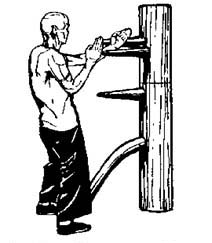
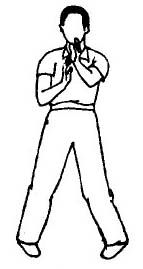
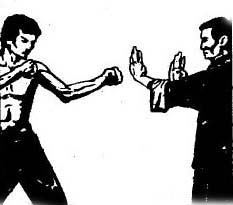
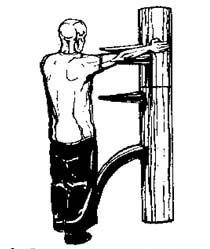
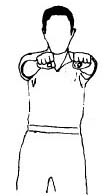
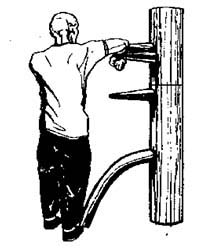
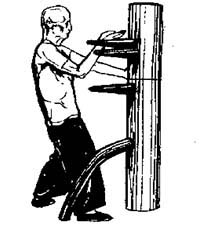
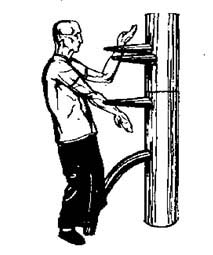
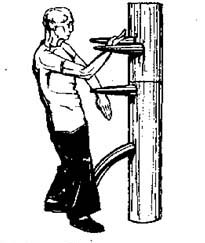
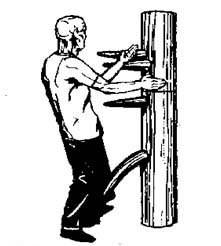
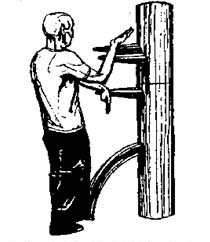
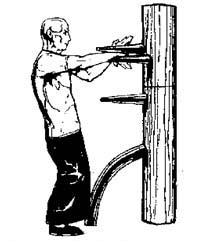
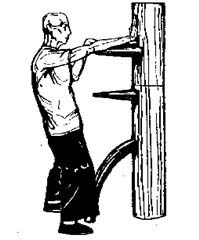
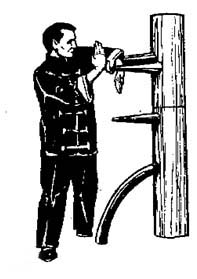
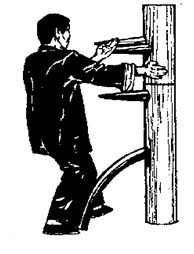
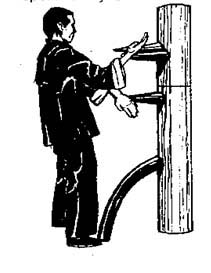
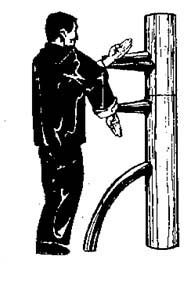
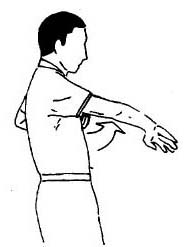
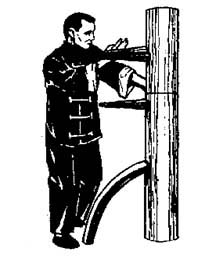
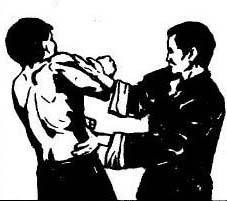
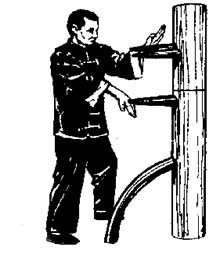
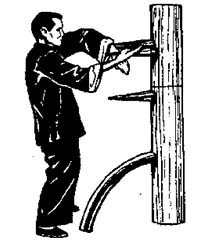
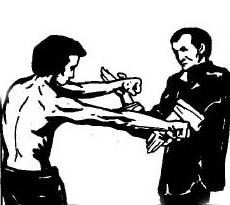
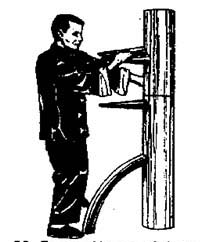
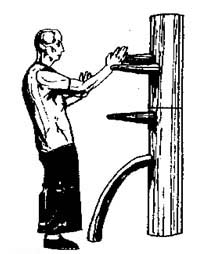
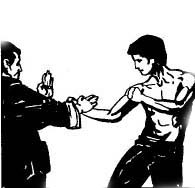
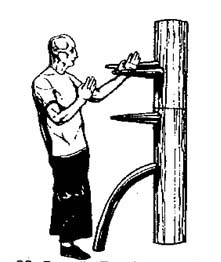
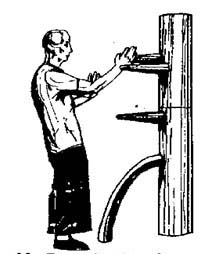
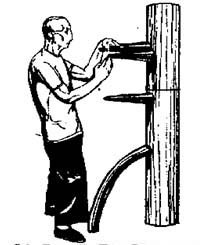
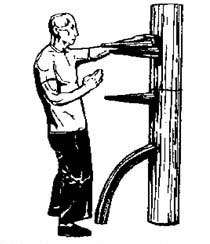
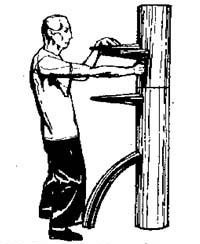
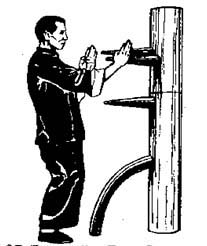
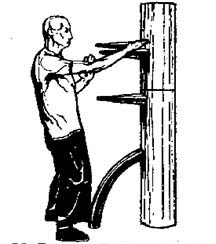
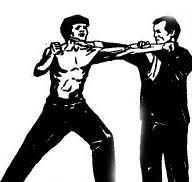
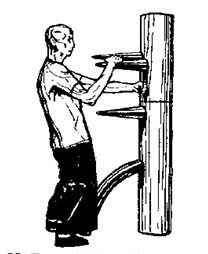
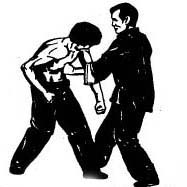
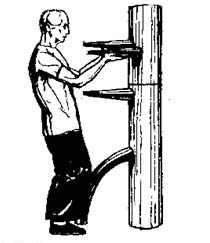
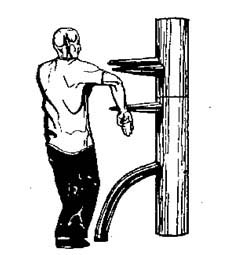
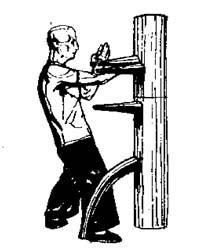
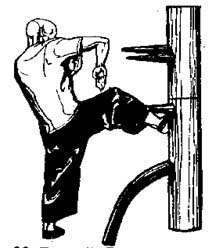
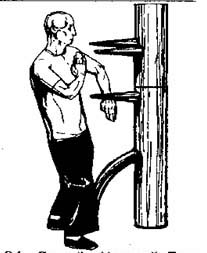
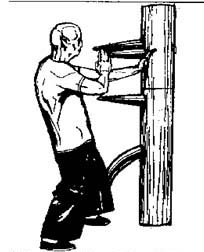
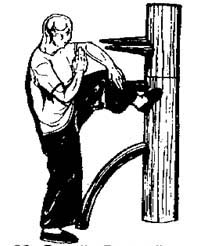
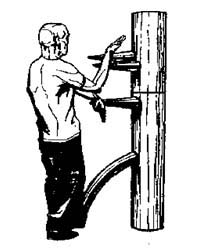
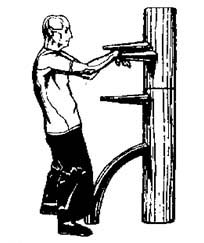
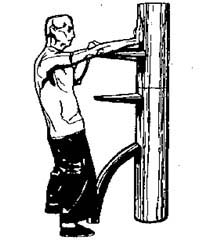
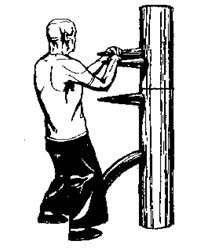
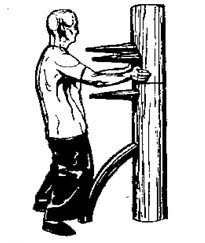
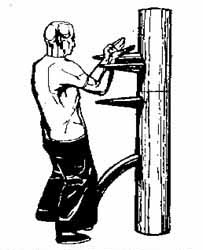
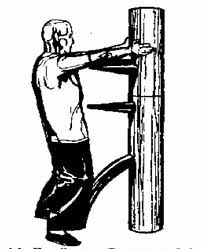
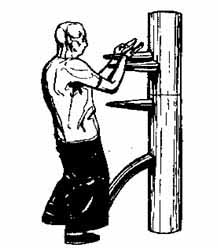
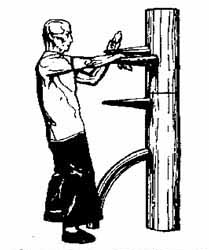
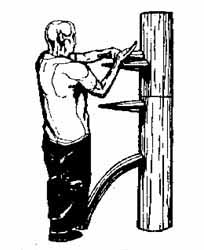
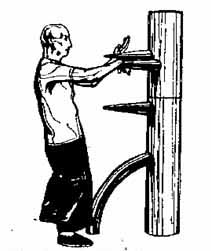
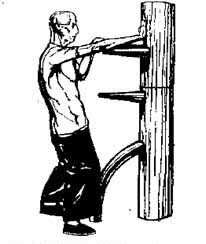
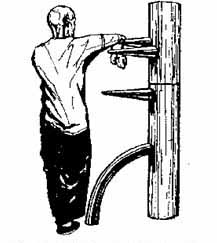
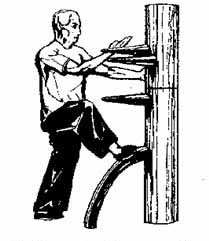
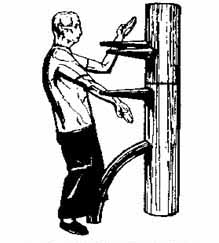
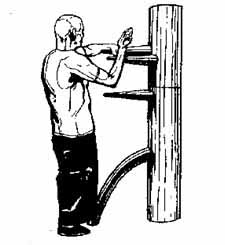
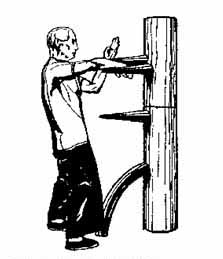
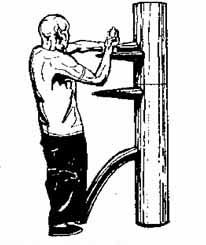
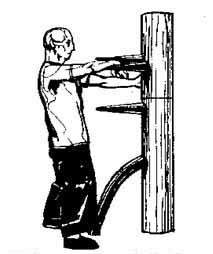
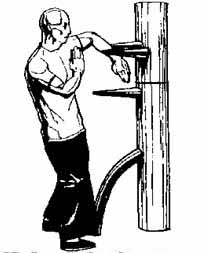
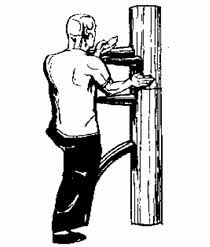
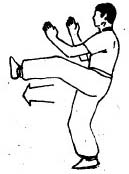
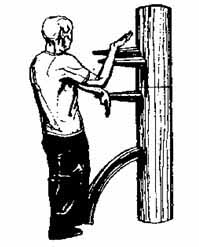
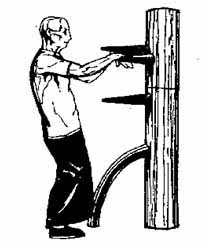
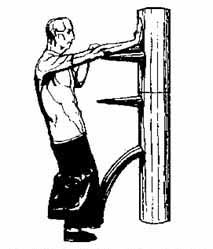
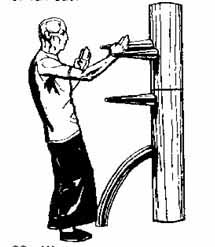
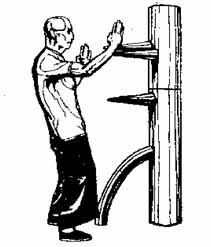
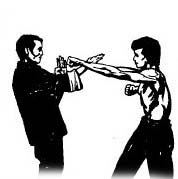
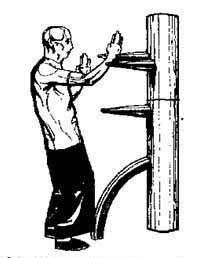
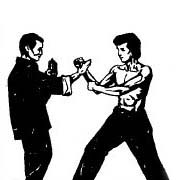
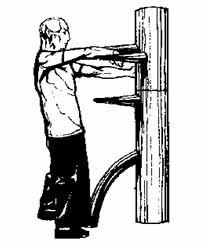
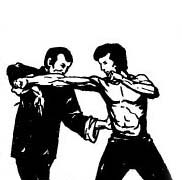
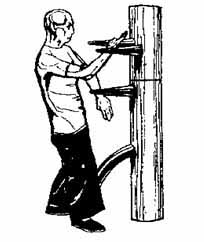
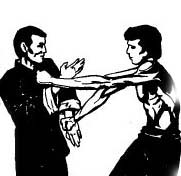
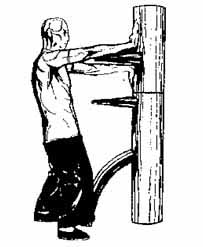
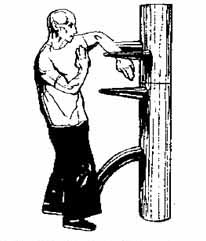
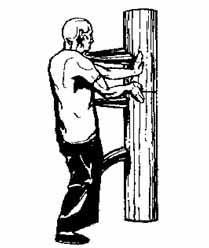
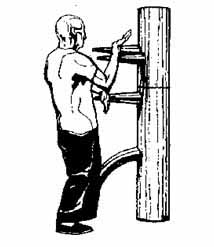
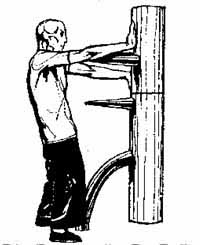
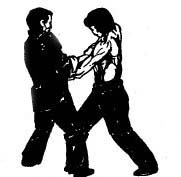
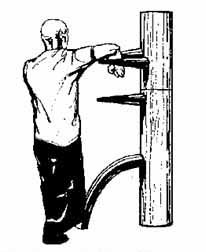
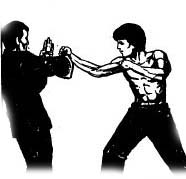
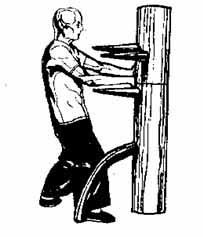
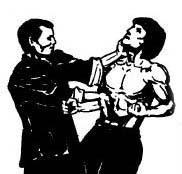
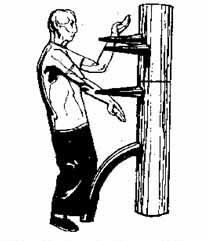
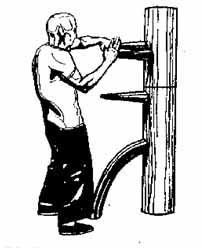
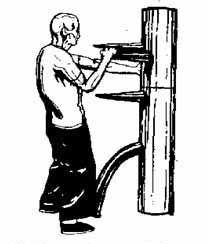
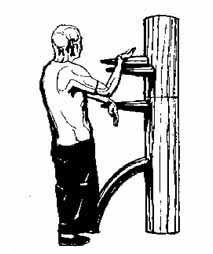
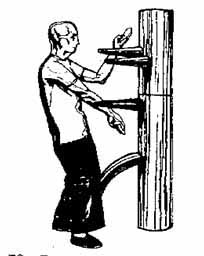
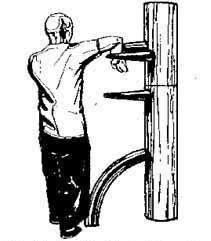
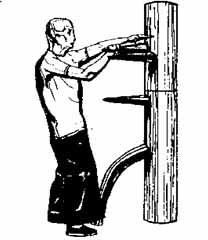
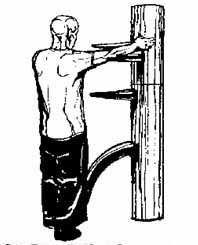
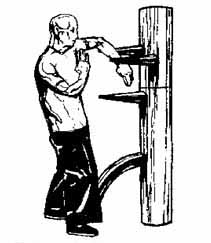
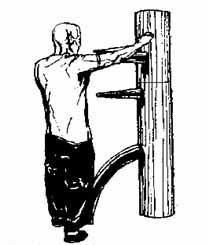
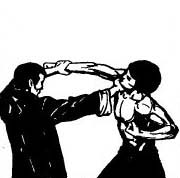
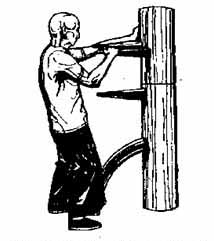
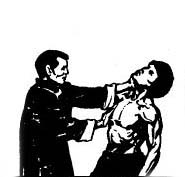
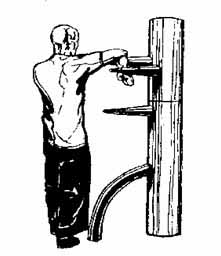
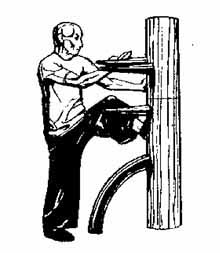
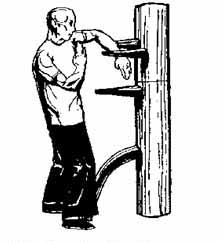
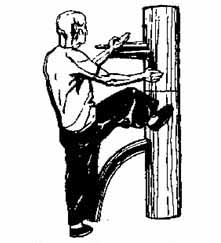
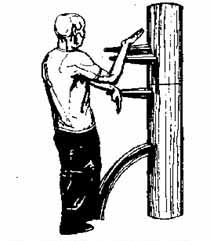
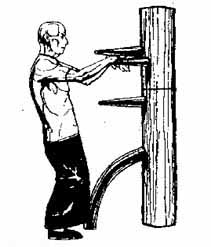
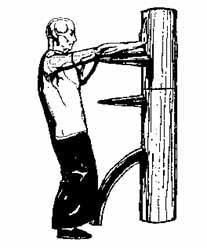
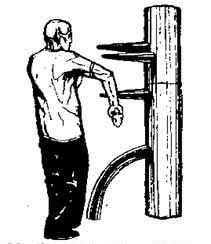
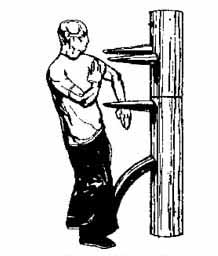
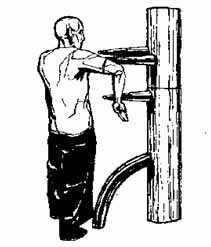
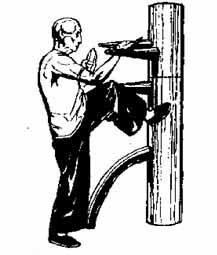
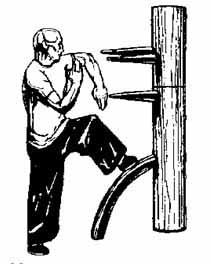
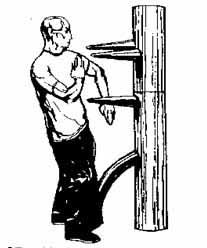
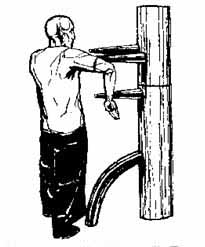
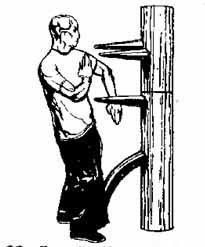
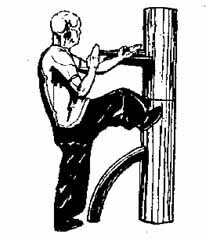
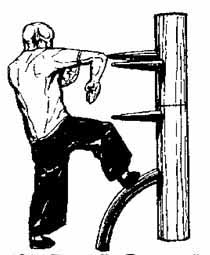
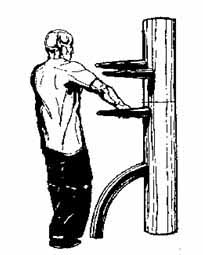
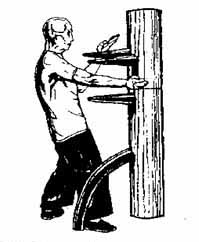
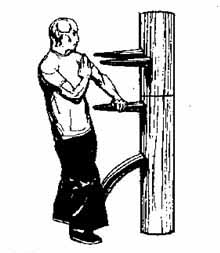
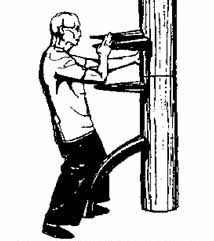
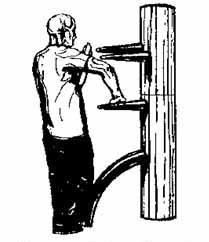
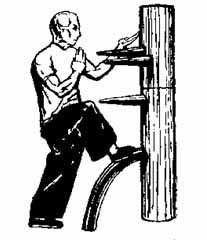
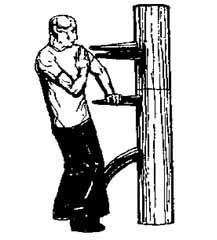
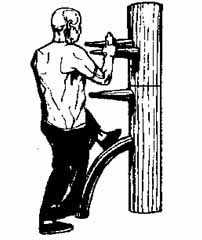
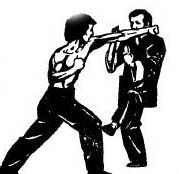
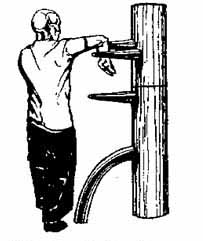
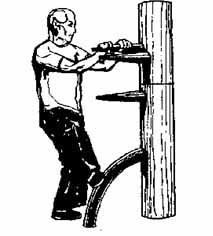
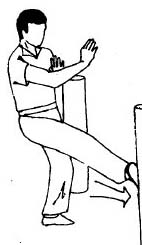
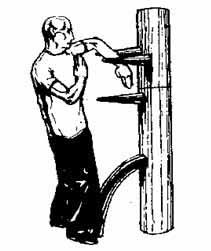
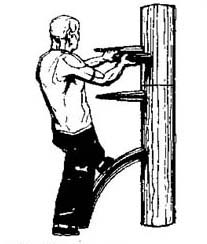
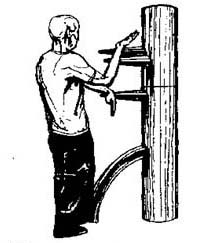
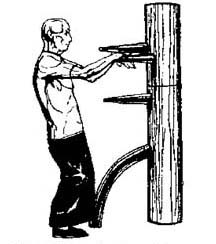
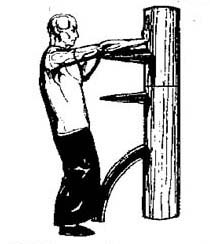
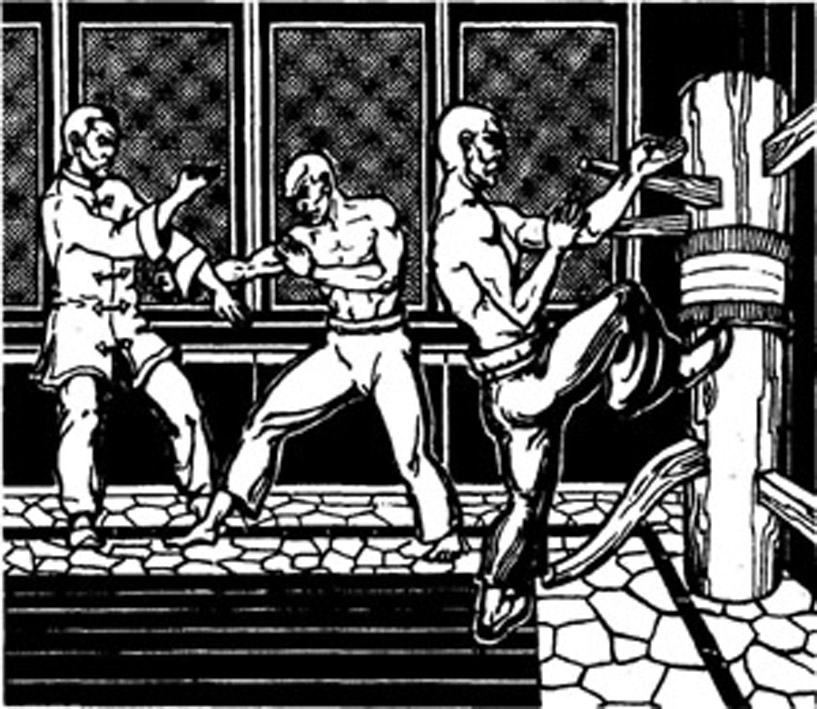
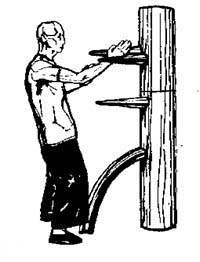
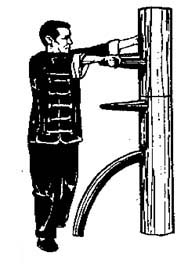
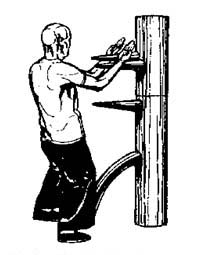
The Dummy - a versatile design, the system of life and knowledge generated of nowhere. The story of the dummy requires a separate investigation and treatment of the ancient treatises, and primary sources. But enough evidence to suggest that the history of a WD the longer of Wing Chun history as an independent style. Will there be a dummy to before create a Wing Chun or Wing Chun has appeared before - difficult to resolve the problem, which requires special studies.
|
| SECTION 1 | ||
![]() |
![]() |
![]() |
![]() |
![]() |
![]() |
![]() |
![]() |
![]() |
![]() |
![]() ![]() |
![]() |
![]() |
![]() |
![]() |
![]() |
![]() ![]() |
![]() |
![]() |
![]() ![]() |
![]() |
![]() |
![]() |
![]() |
![]() |
![]() |
![]() |
![]() |
![]() |
![]() |
| SECTION 2 | ||
![]() |
![]() |
![]() |
![]() |
![]() |
![]() |
![]() |
![]() |
![]() |
![]() |
![]() ![]() |
![]() |
![]() |
![]() |
![]() |
![]() |
![]() ![]() |
![]() |
![]() |
![]() ![]() |
![]() |
![]() |
![]() |
![]() |
![]() |
![]() |
![]() |
![]() |
![]() |
![]() |
| SECTION 3 | ||
![]() |
![]() |
![]() |
![]() |
![]() |
![]() |
![]() |
![]() |
![]() |
![]() |
![]() |
![]() |
![]() |
![]() |
![]() |
![]() |
![]() ![]() |
![]() |
![]() |
![]() |
![]() |
![]() |
![]() |
![]() |
![]() |
![]() ![]() |
![]() |
![]() |
||
| SECTION 4 | ||
![]() |
![]() |
![]() |
![]() |
![]() |
![]() |
![]() |
![]() |
![]() |
![]() |
![]() |
![]() |
![]() |
![]() ![]() |
![]() |
![]() |
![]() |
![]() |
![]() |
![]() |
![]() |
![]() |
![]() |
![]() |
![]() |
![]() |
![]() |
| SECTION 5 | ||
![]() |
![]() ![]() |
![]() |
![]() |
![]() ![]() |
![]() |
![]() |
![]() ![]() |
![]() |
![]() |
![]() ![]() |
![]() |
![]() |
![]() ![]() |
![]() |
![]() |
![]() ![]() |
![]() |
![]() |
![]() |
![]() |
![]() |
![]() |
![]() |
![]() |
![]() |
![]() |
![]() |
![]() |
![]() |
![]() |
![]() |
![]() |
![]() |
![]() |
![]() |
![]() |
![]() |
![]() |
![]() |
![]() |
![]() |
![]() |
![]() |
![]() |
![]() |
![]() |
![]() |
![]() |
![]() ![]() |
![]() |
![]() |
![]() |
![]() |
![]() |
![]() ![]() |
![]() |
![]() |
![]() |
![]() |
![]() |
![]() |
![]() |
![]() |
![]() |
![]() |
| SECTION 6 | ||
![]() |
![]() |
![]() |
![]() |
![]() |
![]() |
![]() |
![]()
|
![]() |
![]() |
![]() |
![]() |
![]() |
![]() |
![]() |
![]() |
![]() ![]() |
![]() |
![]() |
![]() |
![]() |
![]() |
![]() ![]()
|
![]() |
![]() |
![]() |
![]() |
![]() |
![]() ![]()
|
![]() |
![]() |
![]() |
![]() |
![]() |
![]() ![]()
|
![]() |
![]() |
![]() |
![]() |
![]() |
![]() |
![]() |
![]() |
![]() |
![]() |
| SECTION 7 | ||
![]() |
![]() |
![]() |
![]() |
![]() |
![]() |
![]() |
![]() |
![]() |
![]() |
![]() ![]() |
![]() |
![]() |
![]() |
![]() |
![]() |
![]() |
![]() |
![]() |
![]() ![]() |
![]() |
![]() |
![]() |
![]() |
![]() |
![]() |
![]() |
![]() |
![]() ![]() |
![]() |
![]() |
![]() |
![]() |
![]() |
![]() ![]() |
![]() |
![]() |
![]() |
![]() |
![]() |
![]() |
![]() |
![]() |
![]() |
![]() |
| SECTION 8 | ||
![]() |
![]() |
![]() |
![]() |
![]() |
![]() |
![]() |
![]() |
![]() |
![]() |
![]() ![]() |
![]() |
![]() |
![]() |
![]() |
![]() |
![]() |
![]() |
![]() |
![]() |
![]() |
![]() |
![]() |
![]() |
![]() |
![]() ![]() |
![]() |
![]() |
![]() |
![]() |
![]() |
![]() |
![]() |
![]() |
![]() ![]() |
![]() |
![]() |
![]() |
![]() |
![]() |
![]() ![]() |
![]() |
![]() |
![]() |
![]() |
![]() |
![]() ![]() |
![]() |
![]() |
![]() |
![]() |
![]() |
![]() ![]() |
![]() |
![]() |
![]() |
![]() |
![]() |
![]() ![]() |
![]() |
![]() |
![]() |
![]() |
![]() |
![]() |
![]() |
![]() |
![]() |
![]() |
![]() |
![]() |
![]() |
![]() |
![]() |
![]() |
The original 1970 UK vinyl mix (Warner Bros. WS 1871) or the 2014 “Sanctuary” reissue. Avoid early 2000s “remasters” which compress the dynamic range. The raw, roomy sound is essential to the experience.
The album’s epic closer. “Sleeping Village” is a short, eerie acoustic intro that builds into a haunting blues riff. It then explodes into “Warning,” a cover of a 1968 song by the American blues band The Aynsley Dunbar Retaliation. Sabbath stretches it into a 10-minute marathon. Tony Iommi delivers his first great guitar solo, a long, melodic, and fiery statement that proves he was more than just a “heavy” riff-machine. This track is the bridge between psychedelic blues-rock and the extended guitar epics of 70s metal. The Aftermath: Critical Contempt, Commercial Shock Upon release, Black Sabbath was savaged by critics. Rolling Stone ’s Lester Bangs famously called it “a sad joke, like a trip to the carnival without the barkers,” dismissing it as “discordant, ugly rock.” The establishment saw it as primitive, simplistic, and morose.

In 2015, the US Library of Congress selected Black Sabbath for preservation in the National Recording Registry, deeming it “culturally, historically, or aesthetically significant.” The album that critics once called a “sad joke” now sits alongside the works of Beethoven and Louis Armstrong. black sabbath album

Named after an H.P. Lovecraft story, this song is pure proto-thrash at its core. It speeds up, driven by Ward’s manic drumming and Iommi’s power-chord attack. The lyrics tell of a dreamer whose soul becomes a star. It’s chaotic, messy, and glorious.
An original bonus track on US pressings (not on the original UK vinyl). This song is crucial. It’s the first time Geezer Butler’s sharp, politically aware lyrics come to the fore, attacking war, pollution, and hypocrisy: “People going nowhere, taken for a ride / Looking for the answers that they know they cannot find.” Musically, it’s a rollercoaster of tempo changes, from frantic galloping to slow, crushing doom. The original 1970 UK vinyl mix (Warner Bros
Crucially, Tony Iommi was missing the tips of his middle and ring fingers. After a factory accident, he fashioned homemade “thimbles” out of melted plastic bottle tops to cap his fingers. To ease the pain and allow him to fret chords, he down-tuned his guitar (often to C# standard: C#, F#, B, E, G#, C#). This lower tension, combined with his heavy-gauge strings and aggressive, rhythmic playing, created a monstrous, sludgy tone that had never been heard before. The tuning was a physical necessity; the sound it produced was a revolution. The album’s structure is brilliant: a complete narrative arc from supernatural terror to psychotic breakdown to anti-war despair.
The album opens with the sound of a distant, tolling church bell—rain, thunder, and a rolling, ominous bass note from Geezer Butler. Inspired by a nightmare Butler had about a dark, hooded figure standing at the foot of his bed, the song builds using the diabolus in musica (the devil in music)—a tritone interval long associated with evil in medieval times. Iommi’s guitar shrieks a descending, atonal riff before the song collapses into a slow, bluesy doom. Ozzy’s vocals, often described as “haunted,” ask the eternal question: “What is this that stands before me?” The song redefined what a rock song could be about. The raw, roomy sound is essential to the experience
On Friday the 13th, 1970, a bell tolled. A riff descended. And heavy metal was born. The world has been a little heavier—and a lot more interesting—ever since.