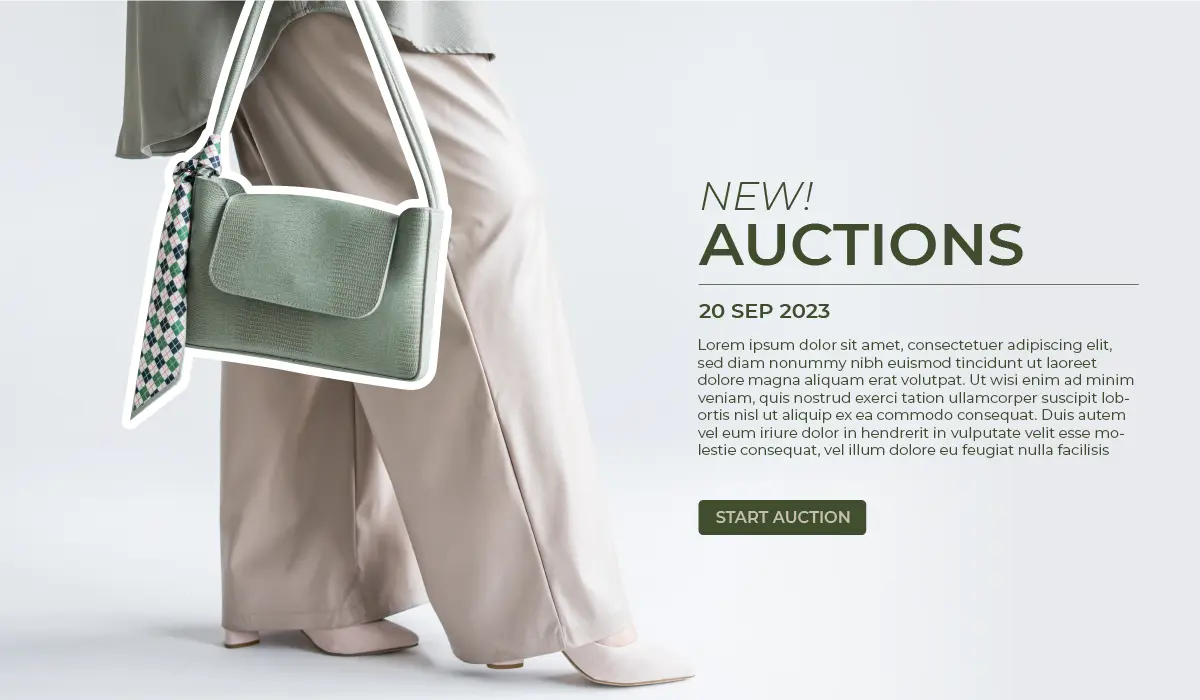



Alexander wang (1)

Amina muaddi (0)

BALENCIAGA (12)

BAO BAO (0)

BOTTEGA VENETA (0)
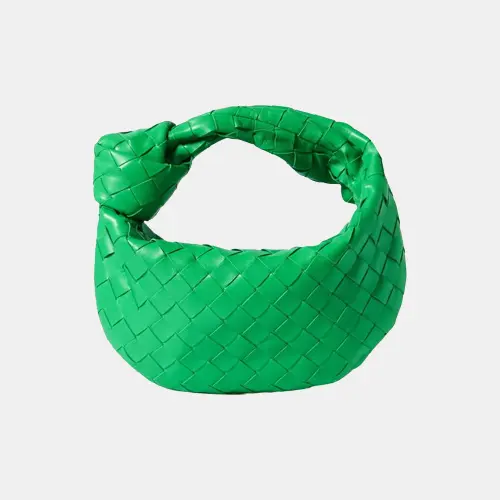
BOYY (15)

BULGARI (0)

BURBERRY (3)
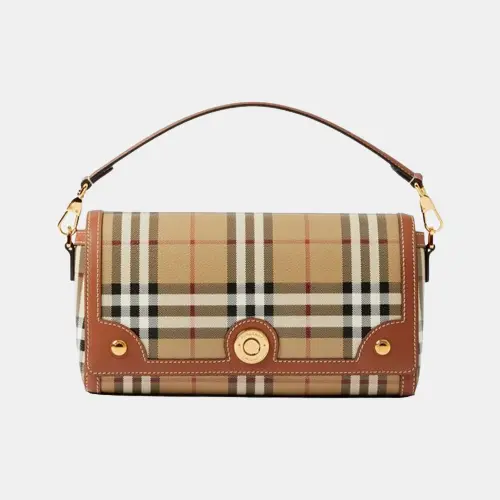
CARTIER (0)

CELINE (7)

Chanel (76)

Ultimately, Prost clinched his fourth World Championship at the Portuguese Grand Prix. It was a triumph of consistency over flash, of technology over instinct. Yet, the victory felt hollow to many fans, who sensed that the driver, not the machine, had become the secondary component. While the old guard fought, the future announced itself. Michael Schumacher , in his first full season with Benetton, finished fourth in the standings, winning the Portuguese Grand Prix. His aggressive, physical style—sliding the car in defiance of its own traction control—hinted at a new paradigm. Schumacher was the bridge: he understood the electronics but refused to be enslaved by them.
For the drivers, this was a paradox. The car was glued to the track, defying physics through hydraulic rams and computer processors. Alain Prost, the intellectual driver, loved it. He treated the Williams as a complex data machine, adjusting switches and dials mid-corner to optimize grip. For Ayrton Senna, however, the active car was an abomination. In his McLaren MP4/8—powered by a naturally aspirated Ford V8 while Williams enjoyed a dominant Renault V10—Senna was forced to rely on raw talent. The 1993 season became a philosophical duel: Prost’s cold, calculated engineering versus Senna’s visceral, sliding heroism. The narrative of the drivers’ championship was predictable yet emotionally complex. After a sabbatical in 1992, Alain Prost returned to partner Damon Hill at Williams. Despite having the best car, Prost drove with tactical brilliance. He knew he didn’t need to beat Senna by a second per lap; he just needed to finish ahead. Prost won seven races, including a masterclass in the rain at Donington (where Senna famously lapped the entire field except Prost) and a strategic victory at Hockenheim.
Similarly, proved his mettle, winning three races and pushing Prost harder than anyone expected. The stage was set for the post-Prost era. The Human Cost and The Great Trade Beneath the statistics, 1993 was emotionally brutal. Senna and Prost, former teammates who crashed into each other at Suzuka in 1989 and 1990, were barely civil. Senna publicly called Prost a coward for advocating for the ban of active suspension, while Prost accused Senna of dangerous driving.
Lorem ipsum dolor sit amet, consectetuer adipiscing elit, sed diam nonummy nibh euismod tincidunt ut laoreet dolore magna aliquam erat volutpat. Ut wisi enim ad minim veniam, quis nostrud exerci tation ullamcorper suscipit lobortis nisl ut aliquip ex ea commodo consequat.
MOREUltimately, Prost clinched his fourth World Championship at the Portuguese Grand Prix. It was a triumph of consistency over flash, of technology over instinct. Yet, the victory felt hollow to many fans, who sensed that the driver, not the machine, had become the secondary component. While the old guard fought, the future announced itself. Michael Schumacher , in his first full season with Benetton, finished fourth in the standings, winning the Portuguese Grand Prix. His aggressive, physical style—sliding the car in defiance of its own traction control—hinted at a new paradigm. Schumacher was the bridge: he understood the electronics but refused to be enslaved by them. formula 1 1993
For the drivers, this was a paradox. The car was glued to the track, defying physics through hydraulic rams and computer processors. Alain Prost, the intellectual driver, loved it. He treated the Williams as a complex data machine, adjusting switches and dials mid-corner to optimize grip. For Ayrton Senna, however, the active car was an abomination. In his McLaren MP4/8—powered by a naturally aspirated Ford V8 while Williams enjoyed a dominant Renault V10—Senna was forced to rely on raw talent. The 1993 season became a philosophical duel: Prost’s cold, calculated engineering versus Senna’s visceral, sliding heroism. The narrative of the drivers’ championship was predictable yet emotionally complex. After a sabbatical in 1992, Alain Prost returned to partner Damon Hill at Williams. Despite having the best car, Prost drove with tactical brilliance. He knew he didn’t need to beat Senna by a second per lap; he just needed to finish ahead. Prost won seven races, including a masterclass in the rain at Donington (where Senna famously lapped the entire field except Prost) and a strategic victory at Hockenheim. Ultimately, Prost clinched his fourth World Championship at
Similarly, proved his mettle, winning three races and pushing Prost harder than anyone expected. The stage was set for the post-Prost era. The Human Cost and The Great Trade Beneath the statistics, 1993 was emotionally brutal. Senna and Prost, former teammates who crashed into each other at Suzuka in 1989 and 1990, were barely civil. Senna publicly called Prost a coward for advocating for the ban of active suspension, while Prost accused Senna of dangerous driving. While the old guard fought, the future announced itself